
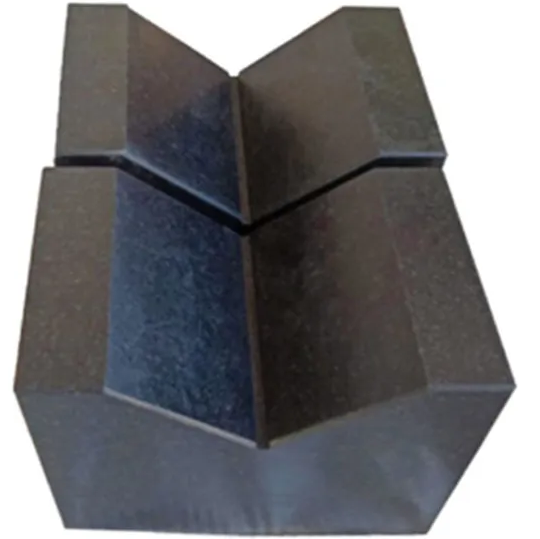
back painted glass panels
The Importance of Large Granite Surface Plates in Precision Engineering In the realm of precision engineering and quality control, large granite surface plates stand as indispensable tools. These flat, stable surfaces play a critical role in various applications, from simple layout work to the most complex machining processes. Their properties make them uniquely suited for ensuring measurement accuracy and facilitating the inspection of parts in manufacturing and engineering environments. Granite is a naturally occurring stone composed mainly of quartz, feldspar, and mica. Its inherent properties—such as hardness, strength, and resistance to wear—make it the ideal material for surface plates. The large granite surface plates are particularly valued for their ability to provide a stable reference plane that ensures precision during various measurement processes. They are often used in conjunction with other measuring tools like calipers, micrometers, and gauge blocks, forming a complete quality assurance system in a workshop. One of the most significant advantages of large granite surface plates is their superior flatness and rigidity. Precision granite surface plates are meticulously manufactured to meet tight tolerances that can be critical in engineering applications. A highly flat surface reduces the margins for error in measurements and ensures that components are machined accurately according to specified dimensions. This accuracy reduces the likelihood of assembly problems later in the production process, thereby saving time and resources. Additionally, large granite surface plates are resistant to thermal expansion and contraction, a phenomenon that can affect measurements if temperatures fluctuate. Unlike metal plates, which can change dimensionally with temperature variations, granite remains stable under varying conditions . This stability is vital in environments where precision is paramount, such as aerospace and automotive manufacturing, where even the slightest errors can lead to catastrophic failures. large granite surface plate Another essential feature of granite surface plates is their resistance to corrosion and chemical damage. While metal surfaces might corrode or rust when exposed to moisture or various chemicals, granite remains unaffected. This property allows for their use in a range of environments, including those involving fluids or corrosive materials. By maintaining their integrity over time, large granite surface plates contribute to a prolonged lifespan of measuring tools and equipment, reducing maintenance costs for manufacturers. Furthermore, the surface of granite plates can be polished to an incredibly fine finish, enhancing their performance. A smoother surface means less friction when placing or sliding other tools across them. This property not only protects both the granite surface and the measuring tools from wear but also allows for smoother operation, facilitating precision tasks with ease. In addition to their functional benefits, large granite surface plates are often visually appealing, characterized by their natural patterns and colors. This aesthetic quality makes them not only practical equipment but also a notable feature in engineering and inspection facilities. Many workshops choose to showcase their granite plates as a testament to their commitment to quality and precision. To ensure that these tools maintain their accuracy over time, it is essential to care for large granite surface plates properly. Regular cleaning with non-abrasive materials and periodic calibration checks are crucial practices. Operators should also be trained in proper handling techniques to prevent chipping or damage, ensuring that these plates retain their precision characteristics for many years. In conclusion, large granite surface plates are a cornerstone of precision engineering, offering exceptional flatness, durability, and resistance to environmental factors. Their advantages in measurement accuracy, stability, and longevity make them invaluable assets in manufacturing and inspection settings. As technology continues to evolve, the role of granite surface plates remains crucial in maintaining the high standards required in modern engineering. Whether in high-tech industries or traditional manufacturing, these tools stand as a testament to the importance of precision in achieving quality outcomes.
about
back painted glass panels
Using a Bore Gauge A Comprehensive Guide In the world of precision engineering and manufacturing, the significance of measurement cannot be overstated. One of the crucial tools employed in this field is the bore gauge. A bore gauge is specifically designed to measure the internal diameter of holes, cylinders, or other cylindrical objects with remarkable accuracy. This article will delve into the various aspects of using a bore gauge, covering its construction, types, and best practices for effective measurement. Understanding the Bore Gauge A bore gauge typically consists of a measuring head, a body, and a measuring scale or dial. The measuring head is equipped with one or more sensitive probes that expand to make contact with the inner surface of the bore. The body holds the measuring head and is calibrated to provide accurate readings. Depending on the design, bore gauges can be mechanical or digital, with digital versions offering enhanced readability and additional features. Types of Bore Gauges There are generally three types of bore gauges internal dial gauges, electronic bore gauges, and telescoping gauges . 1. Internal Dial Gauges These are the most conventional types of bore gauges. They feature a dial indicator that visually displays the measurement. Users can read the measurement directly from the dial, which is typically graduated in microns or thousandths of an inch. 2. Electronic Bore Gauges Leveraging digital technology, these gauges provide highly accurate readings, often with a resolution of 0.01 mm or finer. They usually come with features such as data logging, memory functions, and the ability to interface with computers or other digital devices, making them suitable for modern manufacturing environments. 3. Telescoping Gauges While not strictly a bore gauge, telescoping gauges are often used in conjunction with bore gauges. They are used to capture the internal size of the bore before transferring the measurement to a micrometer for a more accurate reading. using bore gauge Using a Bore Gauge Effectively To achieve the most accurate measurements with a bore gauge, follow these best practices 1. Preparation Before taking measurements, ensure that the bore is clean and free from debris. Any contaminants can affect the accuracy of the reading. 2. Calibration Regularly calibrate the bore gauge to ensure its accuracy. This involves checking against a known standard and making any necessary adjustments. 3. Measuring Technique When using a bore gauge, it is essential to employ the correct measuring technique. Insert the measuring head into the bore and expand the probes until they make contact with the inner walls. It is crucial to ensure that the gauge is perpendicular to the bore to prevent errors in measurement. 4. Taking Readings Once the bore gauge is properly positioned, take the reading from the scale or dial. For digital gauges, simply note the displayed measurement. If using an internal dial gauge, read at eye level to avoid parallax error for accurate results. 5. Multiple Measurements To ensure reliability, it is recommended to take multiple measurements at different points within the bore. Variations may indicate wear or other issues with the component being measured. Conclusion Using a bore gauge is essential for achieving precision in any manufacturing or engineering process. With its ability to accurately measure the internal dimensions of bores, it plays a pivotal role in quality control and ensures that components meet stringent specifications. By understanding the types of bore gauges available and following best practices during usage, technicians can significantly enhance their measurement accuracy, ultimately leading to improved product quality and performance. Thus, investing time in mastering the use of a bore gauge is not just beneficial but vital in the quest for precision in engineering applications.
-

High quality industrial productsagement

High quality industrial products
View Details -

Meet the diverse needs of customers

Meet the diverse needs of customers
View Details -

Strict quality control

Strict quality control
View Details -

Top raw materials

Top raw materials
View Details -

Trusted supplier

Trusted supplier
View Details
Our application
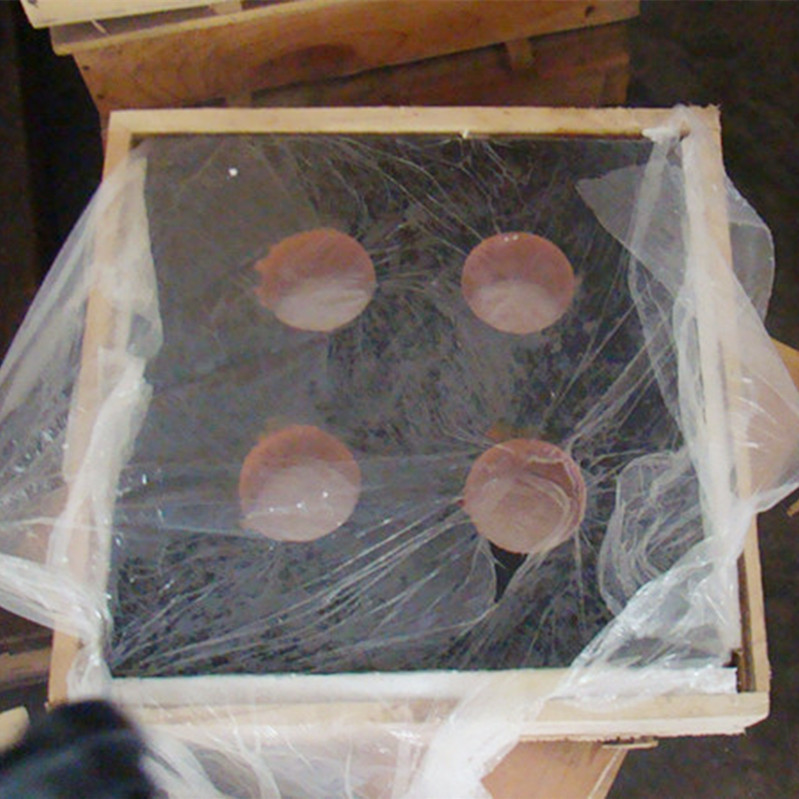
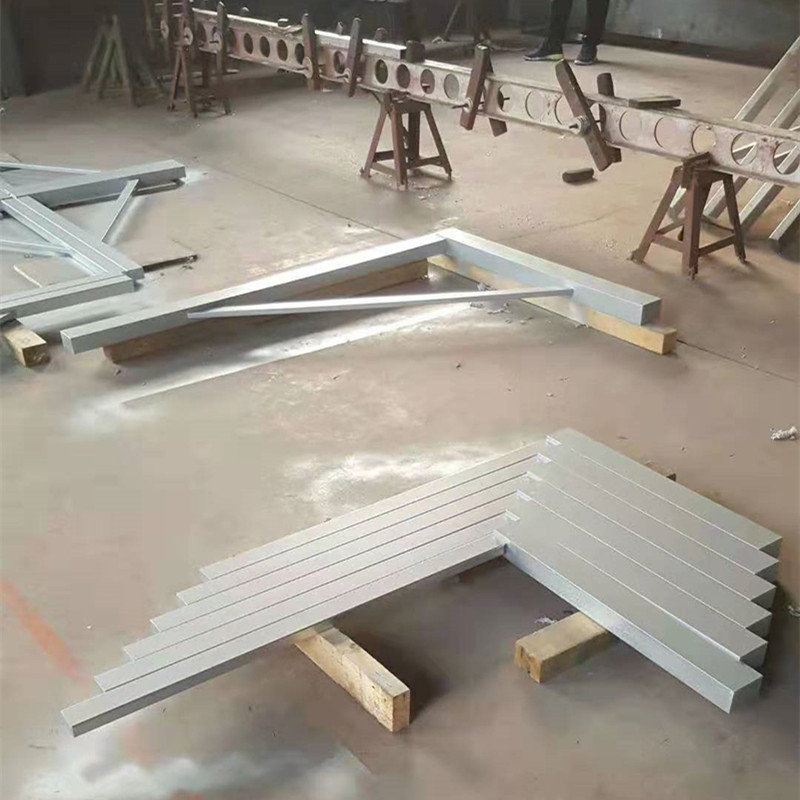

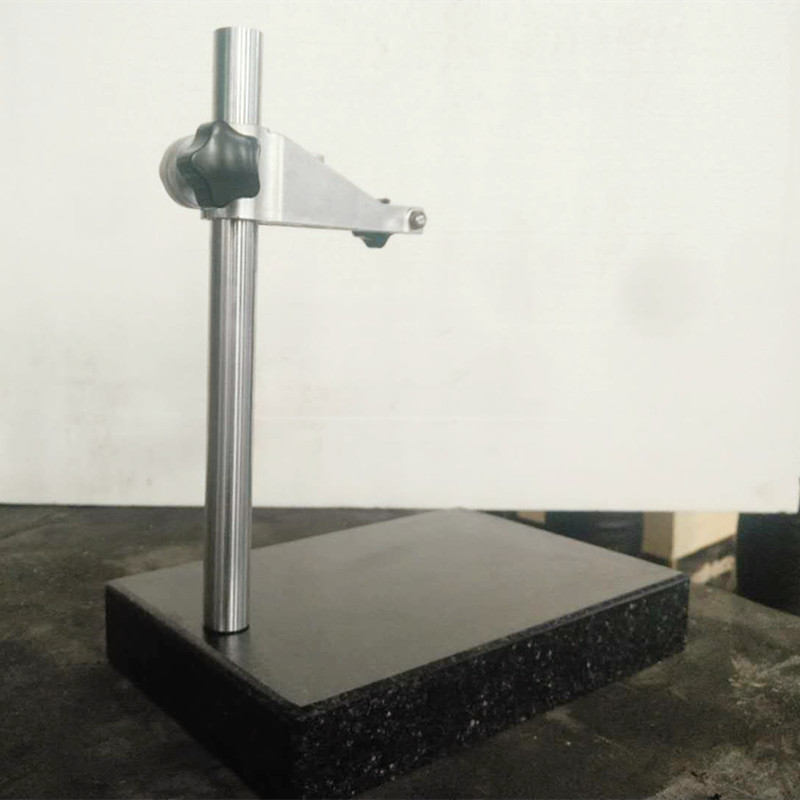
news and information
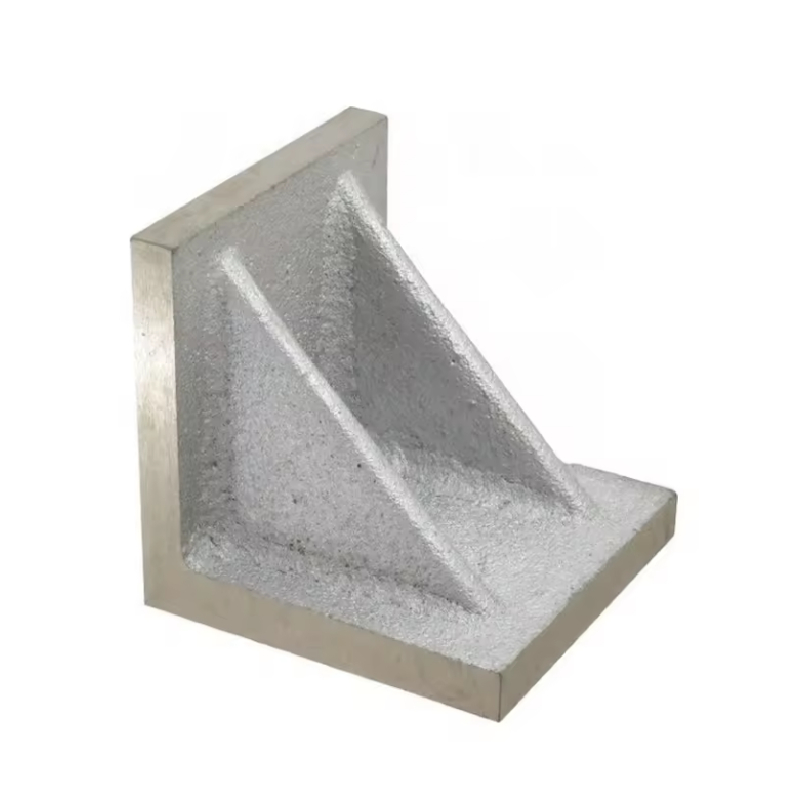
welding table clamps 5 8
Exploring Welding Table Clamps Essential Tools for Precision and Stability Welding is an intricate p

Vanne 100mm prix
Les vannes à guillotine sont des dispositifs essentiels dans de nombreux systèmes de plomberie et d'
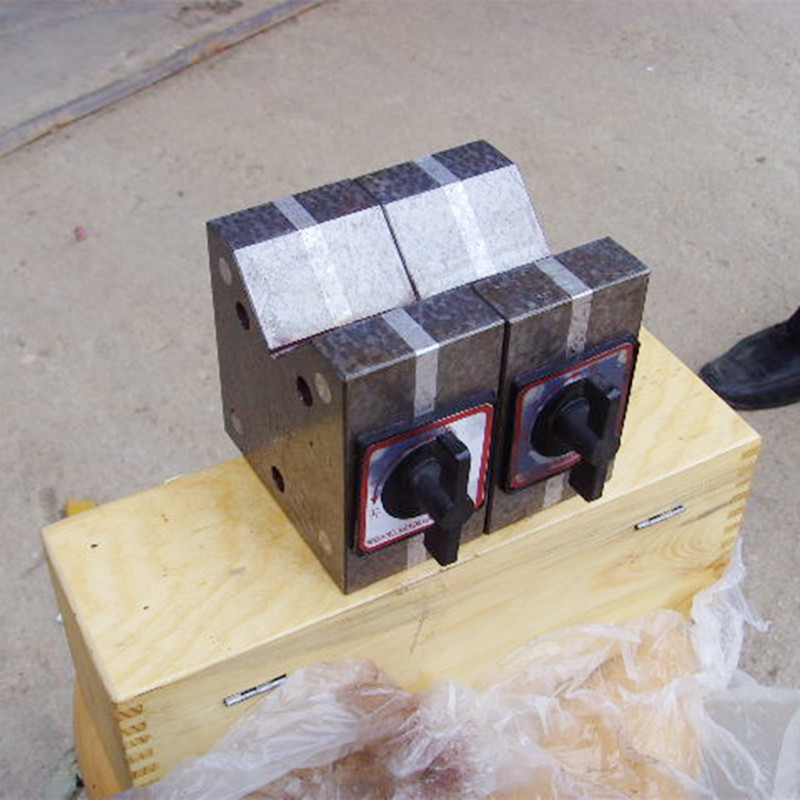
wood frame truss nail plate
Understanding Wood Frame Truss Nail Plates A Structural Perspective In the realm of modern construct
 English